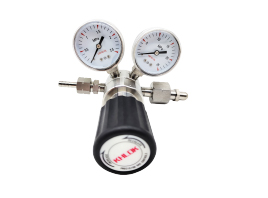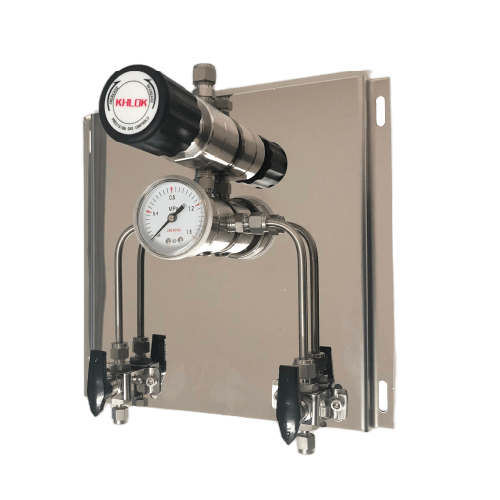
Gas valves play a critical role in regulating the flow of gases in both industrial and residential settings. Their design and functionality vary significantly based on the application, which impacts their reliability and efficiency. Understanding these differences is essential for selecting the right valve for specific uses.
H2: Performance Differences Between Industrial and Residential Gas Valves
Industrial gas valves are built for high-pressure environments and frequent usage, making them more durable and precise in operation. These valves often feature advanced materials and sealing technologies to handle demanding conditions. In contrast, residential gas valves prioritize simplicity and ease of use, with a focus on safety rather than extreme performance metrics.
H3: Safety Features in Residential Gas Valves
Residential gas valves incorporate safety mechanisms such as automatic shut-off systems and pressure relief valves to prevent leaks or overflows. These features are crucial in home environments where users may not have technical expertise. Industrial valves, while also equipped with safety protocols, rely more on manual oversight due to the complexity of their systems.
H2: Material Quality and Longevity
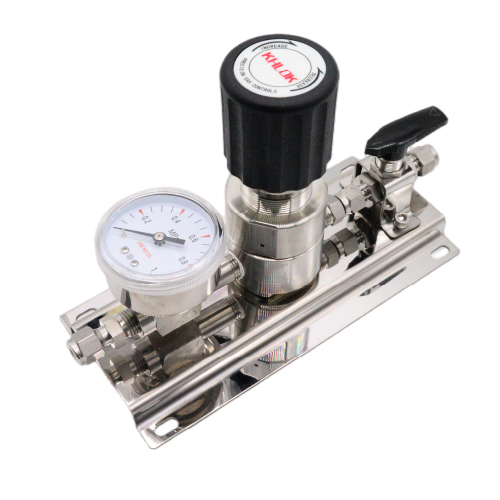
The choice of materials directly affects the lifespan and maintenance requirements of gas valves. Industrial models frequently use stainless steel or brass for enhanced resistance to corrosion and wear. Residential valves often use plastic or less expensive metals, which are cost-effective but may degrade faster over time.
H3: Cost Considerations for Different Applications
Pricing varies significantly between industrial and residential gas valves. Industrial options tend to be more expensive due to their robust construction and specialized features. Residential valves are generally more affordable but may require more frequent replacements. Users should weigh initial costs against long-term maintenance expenses when making a decision.
H2: Final Recommendations Based on Use Case
For applications requiring high durability and precision, industrial gas valves remain the preferred choice despite their higher cost. For everyday home use, residential gas valves offer sufficient performance with added safety benefits. Choosing the right type depends on understanding the specific needs of each environment.
CTA: To ensure optimal performance and safety, it is important to assess your requirements carefully before selecting a gas valve. Consider consulting with a professional to determine the best fit for your application.