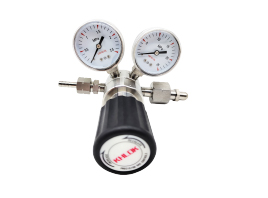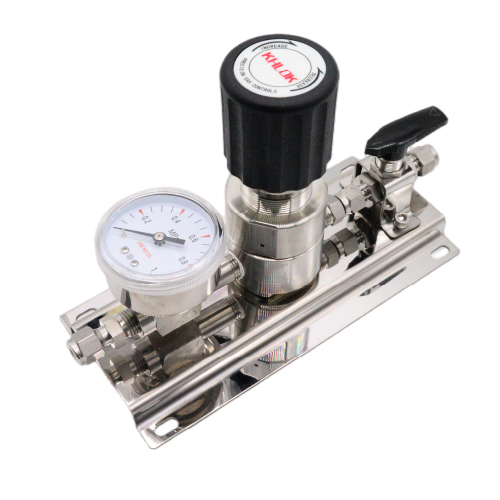
Gas valves play a critical role in ensuring safe and efficient gas flow in various settings. When comparing gas valves for home use versus industrial applications, the differences in design, material, and functionality become apparent. Home gas valves are typically simpler in structure, prioritizing ease of installation and maintenance, whereas industrial valves are built for higher pressure and more complex systems.
H2: Home Use Gas Valves
For residential purposes, gas valves are designed to meet standard requirements while offering user-friendly features. They often include automatic shut-off mechanisms and safety seals to prevent leaks. These valves are generally more affordable and suitable for everyday use, such as in stoves or water heaters. However, their limitations in durability and pressure handling make them unsuitable for heavy-duty applications.
H3: Industrial Gas Valves
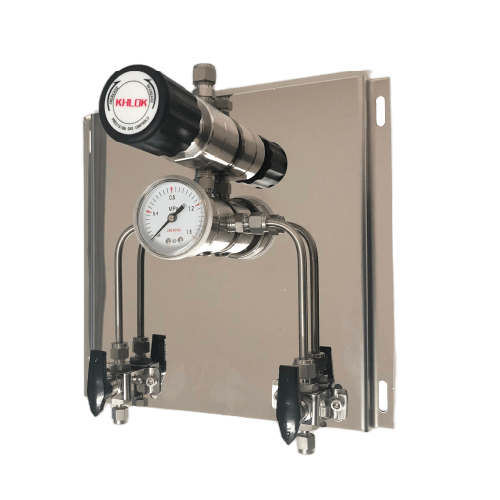
Industrial gas valves are engineered for reliability and performance under extreme conditions. They are made from robust materials like stainless steel or brass to withstand high temperatures and pressures. These valves also feature advanced sealing technologies and precise control mechanisms to ensure accurate gas flow. Their higher cost reflects the enhanced functionality and safety standards required in professional environments.
H2: Key Differences in Design and Safety
The primary distinction between home and industrial gas valves lies in their design and safety specifications. Home-use models often lack the rigorous testing protocols that industrial valves undergo. While both types aim to prevent gas leaks, industrial valves are required to meet stricter regulatory standards due to the potential risks involved in large-scale operations.
H3: Cost-Benefit Analysis
Evaluating the cost-effectiveness of gas valves involves considering both initial investment and long-term reliability. Industrial valves may have a higher upfront cost but offer greater longevity and reduced maintenance expenses over time. Home-use valves provide a budget-friendly solution for basic needs but may require more frequent replacements due to less demanding usage conditions.
H2: Choosing the Right Valve for Your Needs
Selecting the appropriate gas valve depends on the specific application and environmental factors. For residential setups, prioritize models that offer simple operation and adequate safety features. In industrial settings, opt for valves with proven durability and compliance with industry standards. Understanding these differences helps in making an informed decision that aligns with practical requirements.
To ensure optimal performance and safety in your gas system, it is essential to assess your needs carefully before selecting a valve type. Whether you're setting up a home kitchen or managing an industrial facility, understanding the strengths of each option will guide you toward a more effective solution.