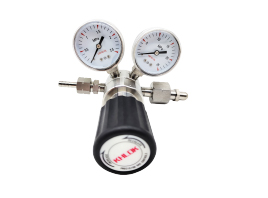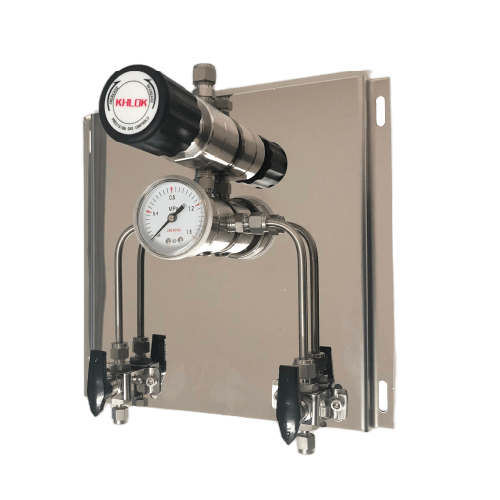
Gas valves play a crucial role in regulating the flow of gases in both industrial and residential systems. Their design and functionality directly impact system efficiency and user safety. Understanding the differences between types of gas valves helps in choosing the right one for specific applications.
H2: Types of Gas Valves and Their Applications
There are several types of gas valves, including ball valves, gate valves, and butterfly valves. Each type has its own set of advantages and limitations. Ball valves are known for their quick shut-off capability, while gate valves provide precise flow control. Butterfly valves are commonly used in low-pressure systems due to their simplicity and cost-effectiveness.
H3: Performance Metrics Across Valve Types
Performance evaluation of gas valves involves assessing factors such as flow rate, pressure rating, and durability. Ball valves typically offer high flow capacity with minimal pressure drop, making them ideal for applications requiring rapid response. Gate valves are preferred where gradual flow adjustment is needed, though they may suffer from slower operation compared to ball or butterfly designs.
H2: Safety Considerations in Valve Selection
Safety is a top priority when selecting gas valves, especially in environments where gas leaks can pose serious risks. Valves must meet industry standards for leak detection and emergency shut-off mechanisms. Some models include fail-safe features that automatically close in case of power failure or system malfunction, reducing the potential for accidents.
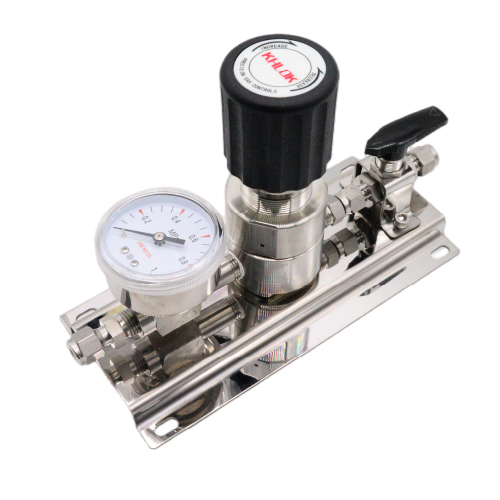
H3: Cost vs. Long-Term Value
While initial cost is an important factor, it should not be the sole determinant when choosing a gas valve. High-quality valves may come with a higher price tag but offer better reliability and lower maintenance costs over time. Users should consider long-term value rather than just upfront expenses to avoid frequent replacements or repairs.
H2: Making an Informed Decision
Selecting the appropriate gas valve depends on the specific needs of the system and the environment in which it operates. By comparing performance, safety features, and cost-effectiveness, users can identify a valve that best suits their requirements. This approach ensures optimal system operation while minimizing potential risks associated with improper valve selection.
If you're looking for a reliable gas valve solution that balances performance with safety, consider reviewing multiple options to find the one that aligns with your operational needs.