Gas valves play a critical role in controlling the flow of gas within residential systems. They are essential components that ensure proper distribution and prevent leaks, making them a key part of any home’s energy infrastructure. Selecting the right type of valve depends on factors such as system design, fuel type, and safety requirements. Understanding these options can help homeowners make informed decisions about their gas setups.
H2: Types of Gas Valves and Their Applications
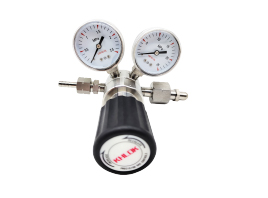
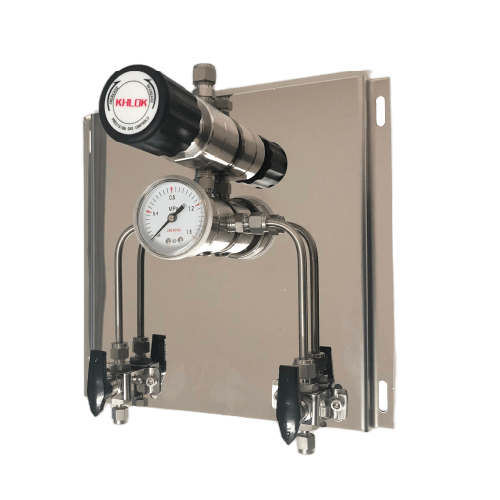
Residential gas systems often use a variety of valves, including shut-off valves, pressure regulators, and control valves. Each serves a unique function, from stopping gas flow during emergencies to maintaining consistent pressure levels. Shut-off valves are part相关科室larly important for safety, allowing quick access to cut off gas supply in case of damage or leaks. Pressure regulators ensure that gas pressure remains within safe limits, protecting both appliances and users.
H3: Importance of Regular Maintenance
Proper maintenance of gas valves is necessary to prevent malfunctions and ensure long-term performance. Over time, wear and tear can affect valve operation, leading to potential hazards such as gas leaks or improper combustion. Homeowners should inspect their valves periodically for signs of corrosion or damage and replace them if needed. Regular checks also help maintain energy efficiency by preventing unnecessary gas waste.
H2: Choosing the Right Valve for Your Home
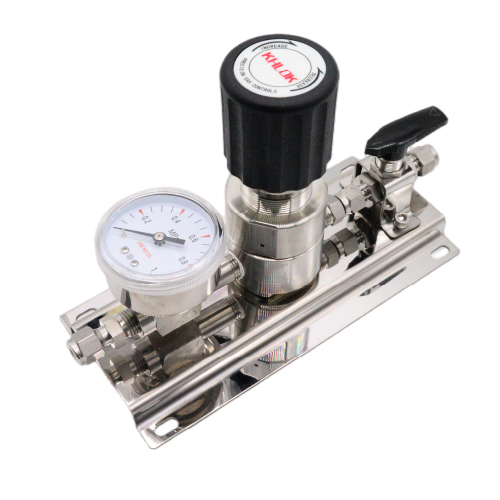
When selecting a gas valve, consider compatibility with your existing system and the specific requirements of your fuel source. For example, natural gas systems may require different types of valves compared to propane setups. It is also important to choose valves that meet local safety standards and have been tested for reliability. Consulting with a professional can provide valuable guidance in this process.
H3: Cost-Benefit Analysis for Long-Term Use
While initial costs may vary depending on the brand and model, investing in quality gas valves can lead to significant long-term savings. Efficient valves reduce energy waste and lower utility bills over time. They also minimize the risk of costly repairs or replacements due to failures. A cost-benefit approach helps homeowners balance upfront expenses with ongoing reliability and safety benefits.
Homeowners should prioritize the selection of gas valves based on their practical needs rather than marketing claims. By focusing on functionality, safety standards, and maintenance requirements, they can ensure a secure and efficient gas system. If you're looking for reliable options or want to assess your current setup, it's wise to review your choices carefully or consult with an expert in residential gas systems.