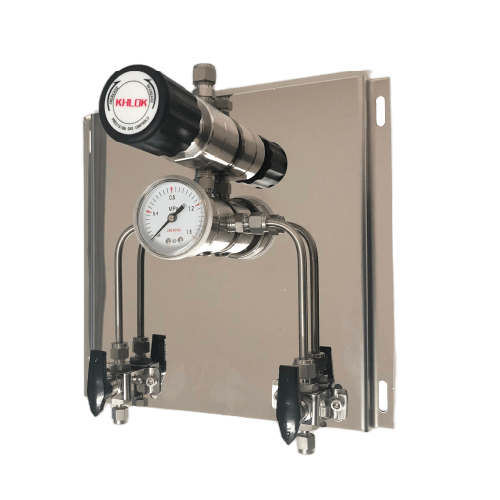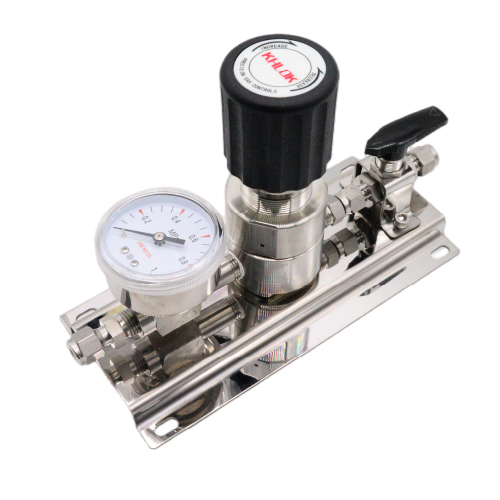
The gas valves industry is undergoing rapid transformation driven by demand for smarter, safer, and more sustainable solutions. As industrial applications expand into renewable energy systems and automation, manufacturers are prioritizing innovation to meet evolving standards. This shift reflects broader market dynamics where efficiency and compliance are becoming critical success factors.
H2: Integration of Smart Technology
Smart technology is redefining gas valves by enabling real-time monitoring and predictive maintenance. IoT-enabled devices now allow seamless connectivity between valves and control systems, reducing human error and operational downtime. This trend aligns with global efforts to enhance energy infrastructure reliability, part相关科室larly in sectors like oil and gas, where safety is paramount.
H3: Regulatory Pressures and Compliance
New environmental regulations are pushing companies to adopt eco-friendly materials and designs. The focus on reducing carbon footprints has led to increased use of stainless steel and composite components in gas valve manufacturing. These changes not only address sustainability goals but also ensure long-term competitiveness in markets with strict compliance requirements.
H2: Supply Chain Dynamics
Global supply chain disruptions have accelerated the shift toward localized production. Manufacturers are now optimizing logistics networks to reduce dependency on international components, ensuring faster delivery times and lower costs. This strategy also mitigates risks associated with geopolitical tensions and raw material price fluctuations.
H3: Emerging Applications in Renewable Energy
The rise of renewable energy systems is creating new opportunities for gas valves. Innovations in hydrogen storage and geothermal technology require specialized valve solutions that balance durability with precision. Companies adapting to these niche markets are positioning themselves as key players in the transition toward greener energy alternatives.
Gas valves remain a cornerstone of modern industrial systems, but their role is expanding beyond traditional use cases. Businesses must stay agile to navigate technological shifts, regulatory changes, and supply chain complexities. For those seeking to align with future trends, understanding these dynamics is essential to remain relevant in a competitive market. Explore how your operations can adapt to this evolving industry landscape today.