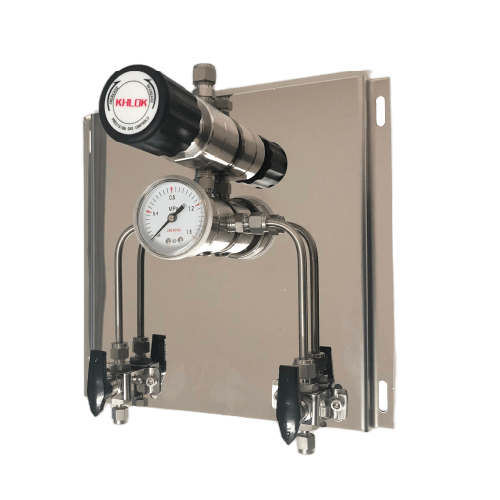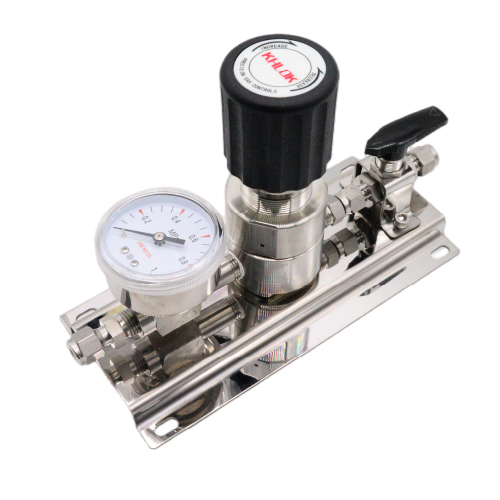
Gas valves play a critical role in ensuring safe and efficient gas distribution systems. Modern users prioritize reliability and user-friendly design, making it essential to evaluate how these components address daily needs. A seamless experience hinges on factors like durability, responsiveness, and compatibility with existing infrastructure.
H2: Safety as a Core User-Centric Feature
Safety features in gas valves have advanced significantly, addressing common concerns about leaks and malfunctions. Users now seek valves with fail-safe mechanisms, such as automatic shut-off capabilities triggered by pressure changes. These innovations reduce risks without compromising functionality. Additionally, corrosion-resistant materials ensure long-term performance, minimizing unexpected failures.
H3: The Impact of Design on Operational Ease
The design of gas valves directly affects user experience during installation and maintenance. Compact models with ergonomic handles simplify handling, while clear labeling reduces confusion during setup. Users also benefit from valves that integrate smoothly with modern appliances, avoiding compatibility issues that lead to repeated adjustments or repairs.
H3: Balancing Cost and Longevity for Daily Use
Consumers often weigh initial costs against long-term value when choosing gas valves. High-quality options may require a larger upfront investment but lower maintenance expenses over time. This balance is crucial for households aiming to avoid frequent replacements or emergency service calls, which disrupt daily routines and add financial strain.
H2: Smart Integration for Modern Convenience
Smart gas valves now offer connectivity features that enhance user experience through real-time monitoring and remote adjustments. These systems alert users to potential issues via mobile apps, allowing proactive maintenance. However, adoption rates depend on ease of integration with existing systems and user comfort with technology-driven solutions.
H3: User Feedback Driving Industry Evolution
Consumer reviews highlight pain points such as inconsistent performance and complex troubleshooting processes. Brands that prioritize user input often refine their products to address these concerns, resulting in better alignment with practical needs. This iterative approach fosters trust and ensures features like leak detection or adjustable flow rates meet evolving expectations.
Consider consulting a professional to select the right gas valve for your specific requirements. Prioritizing safety, ease of use, and durability can transform your experience with gas systems while minimizing risks and long-term costs.