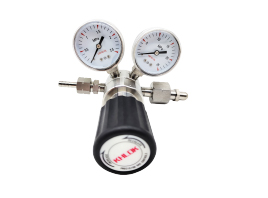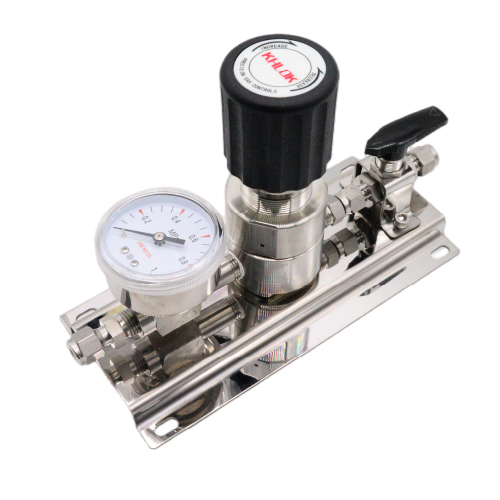
Gas valves remain a pivotal component in energy infrastructure, with 2026 marking a shift toward advanced materials and precision engineering. The industry is grappling with rising demands for safety compliance and efficiency, driven by urbanization and renewable energy integration. Traditional designs are being redefined as manufacturers prioritize adaptability to volatile market conditions.
H2: Industrial Applications Driving Market Growth
The industrial sector’s reliance on gas valves has intensified in 2026, part相关科室larly in sectors like oil refining and power generation. Companies are seeking valves that balance durability with energy-saving capabilities, reflecting broader sustainability goals. However, supply chain disruptions have exposed vulnerabilities in existing systems, prompting a reevaluation of procurement strategies.
H3: Smart Technology Integration Redefines Efficiency
Smart technology adoption is transforming gas valve functionality, enabling real-time monitoring and predictive maintenance. These innovations address longstanding issues of manual oversight and operational downtime. Despite their benefits, integration costs and technical complexities pose barriers for smaller enterprises.
H2: Regional Market Disparities and Competitive Landscape
While North America leads in adopting cutting-edge valve solutions, Asia-Pacific regions are catching up due to rapid industrial expansion. European markets emphasize regulatory compliance, creating distinct competitive dynamics. This divergence highlights the need for tailored approaches to meet regional demands without compromising global standards.
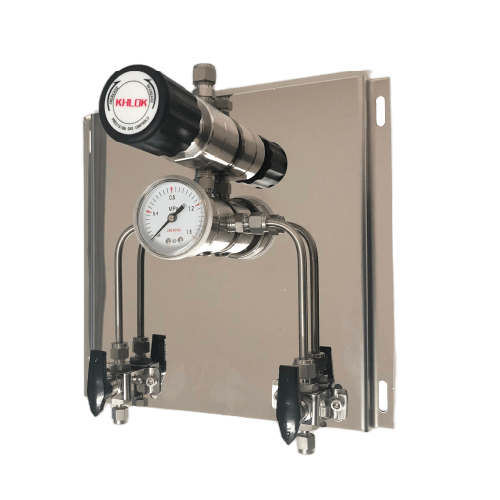
H3: Sustainability as a Key Differentiator
Environmental regulations are pushing manufacturers to develop eco-friendly gas valve alternatives. Innovations such as low-emission seals and recyclable components are gaining traction but require significant R&D investment. The balance between cost-effectiveness and environmental impact remains a central challenge for industry players.
Gas valves will continue shaping energy systems through 2026, with innovation at the forefront of addressing sector-specific needs. Stakeholders must stay informed about technological shifts and market demands to optimize performance and compliance. For insights into selecting the right solutions, reach out to industry experts for personalized guidance.