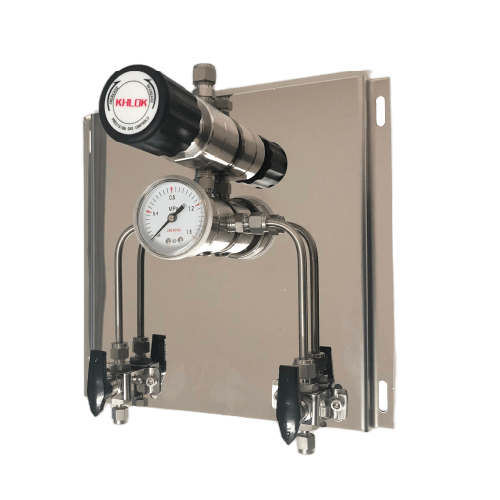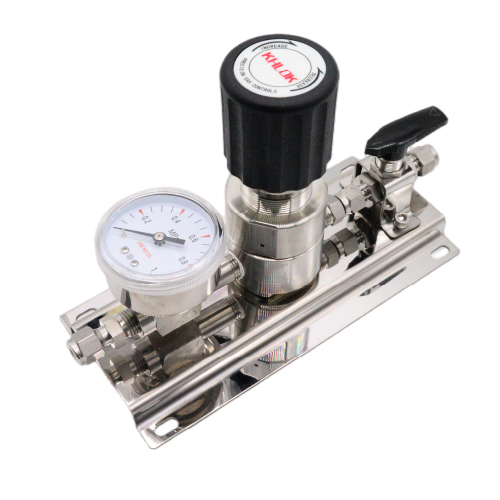
Gas valves are essential components in industrial automation systems, ensuring precise control of gas flow in diverse applications. Their design and performance directly influence energy efficiency, system reliability, and compliance with safety regulations. As industries evolve, selecting the right gas valve requires balancing technical requirements with evolving standards.
H2: Core Functions and Technical Requirements
Gas valves regulate pressure, flow rate, and direction within pipelines, playing a pivotal role in maintaining system stability. In high-pressure environments, such as power generation or chemical processing, their ability to withstand extreme conditions is paramount. Engineers often prioritize materials like stainless steel or bronze for durability, while flow characteristics must align with specific process needs to prevent inefficiencies or failures.
H3: Safety Compliance in Gas Valve Design
Safety regulations mandate rigorous testing for gas valves to prevent leaks or malfunctions. Certifications like ATEX or ISO 14644 ensure devices meet international standards for hazardous environments. However, achieving compliance can be complex due to varying regional requirements and the need for regular maintenance checks.
H2: Market Trends and Material Innovations
Recent advancements in material science have introduced corrosion-resistant alloys and smart valve technologies. These innovations address long-standing issues like wear and tear in harsh environments. Yet, adoption rates remain uneven, as older systems may lack compatibility with newer designs.
H3: Cost-Benefit Analysis for Industrial Use
While high-quality gas valves offer long-term savings through reduced downtime, their upfront costs can deter budget-conscious operators. Lifecycle assessments reveal that investing in precision-engineered valves often pays off by minimizing replacement frequency and maintenance expenses.
H2: Future-Proofing Industrial Systems
The integration of IoT sensors into gas valves allows real-time monitoring, enhancing predictive maintenance capabilities. This shift toward智能化 (smart) solutions reflects growing industry demands for adaptability and data-driven decision-making. However, legacy infrastructure poses challenges for seamless upgrades.
CTA: For industries seeking reliable gas valve solutions, prioritizing technical expertise and compliance ensures optimal performance and safety. Contact experts today to evaluate your system’s requirements and explore tailored options.