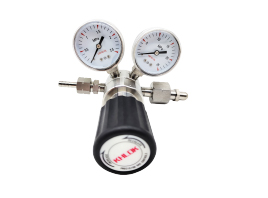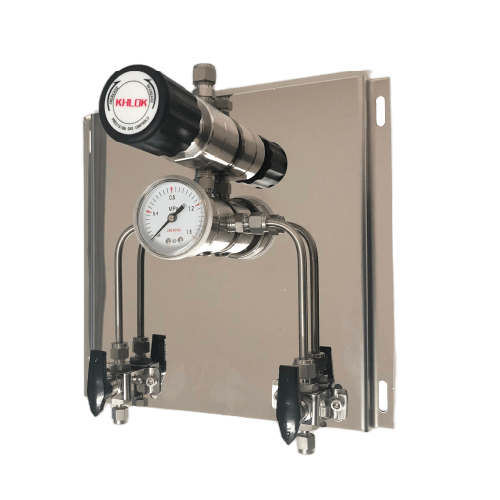
Gas valves play a pivotal role in regulating fluid flow within industrial systems, yet their selection often hinges on overlooked technical nuances. From precision engineering to material compatibility, understanding these factors ensures optimal functionality and long-term cost efficiency. Professionals must weigh specifications such as pressure ratings, flow capacity, and sealing mechanisms to align with operational demands.
H2: Performance Metrics for Gas Valve Evaluation
Industrial gas valve performance is dictated by parameters like flow rate accuracy, response time, and durability under varying conditions. High-pressure environments require valves with reinforced designs to prevent leaks or failures. Engineers should prioritize valves that meet ISO 5208 or ASME B16.34 standards, ensuring consistent performance across cycles. Leakage rates, often underestimated, directly impact system efficiency and maintenance costs.
H3: The Role of Material Compatibility in Valve Functionality
Material choice determines a gas valve’s resilience to corrosion and temperature fluctuations. Stainless steel valves suit chemical processing, while brass options excel in low-corrosion settings. Incompatibility between valve materials and transported gases can lead to premature degradation, risking safety and operational downtime. Assessing chemical resistance ratings is essential for applications involving hydrogen or natural gas.
H2: Safety Standards and Compliance Considerations
Adherence to safety protocols is non-negotiable in gas valve deployment. Valves must comply with standards such as API 6D or PED 2010/35/EU to mitigate risks of explosions or toxic leaks. Regular inspections for wear and tear on sealing components are critical, part相关科室larly in high-risk sectors like oil refining or power generation. Integration with fail-safe mechanisms further enhances system reliability.
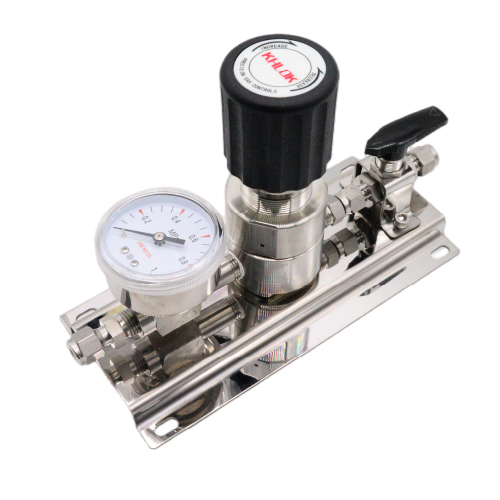
H2: Customization Needs Across Industrial Sectors
Different industries demand tailored gas valve solutions. Semiconductor manufacturing requires leak-proof valves with high precision, whereas HVAC systems prioritize energy-efficient models. Customization extends to size, threading type, and actuation method—factors that influence both installation complexity and long-term maintenance logistics.
H2: Emerging Trends in Gas Valve Technology
Advancements in smart valve systems with IoT integration are reshaping industrial practices. These valves offer real-time monitoring capabilities, reducing manual inspections and minimizing human error. Additionally, the rise of modular designs allows for easier scalability and replacement, addressing evolving operational needs without full system overhauls.
CTA: For professionals seeking to enhance system efficiency while prioritizing safety, consulting industry-specific guidelines and leveraging advanced valve technologies can drive measurable improvements. Engage with experts to navigate these complexities effectively.