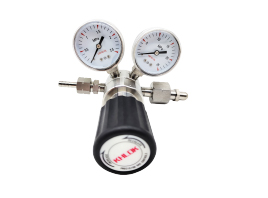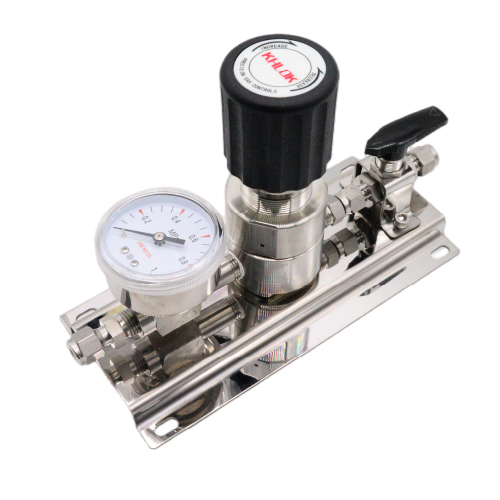
Gas valves play a critical role in controlling fuel flow across industries. Their design and functionality directly impact system reliability and safety. This analysis compares three common types—ball valves,蝶阀, and gate valves—to identify which performs best under varying conditions.
H2: Ball Valves vs. Butterfly Valves
Ball valves offer quick shut-off capabilities with minimal pressure loss, making them ideal for applications requiring precise flow control. Butterfly valves, however, excel in low-pressure systems due to their lightweight construction. While ball valves are more durable in high-pressure environments, butterfly valves often provide cost-effective solutions for large-diameter pipelines. Each type has distinct advantages depending on operational demands.
H3: Gate Valves for High-Flow Scenarios
Gate valves are designed for full flow regulation, allowing unobstructed passage of gases when open. Their linear motion ensures minimal turbulence, which is vital for maintaining system integrity in large-scale operations. However, they require more time to adjust compared to ball or butterfly valves. This trade-off makes them suitable for applications where steady flow is prioritized over rapid adjustments.
H3: Safety Features Across Valve Types
Safety is a key consideration when selecting gas valves. Ball valves feature robust sealing mechanisms that reduce leakage risks, while butterfly valves may require additional safeguards for high-pressure use. Gate valves often include emergency shut-off designs, enhancing their appeal in critical infrastructure projects. Understanding these safety nuances helps industries mitigate risks effectively.
H2: Cost Efficiency and Longevity
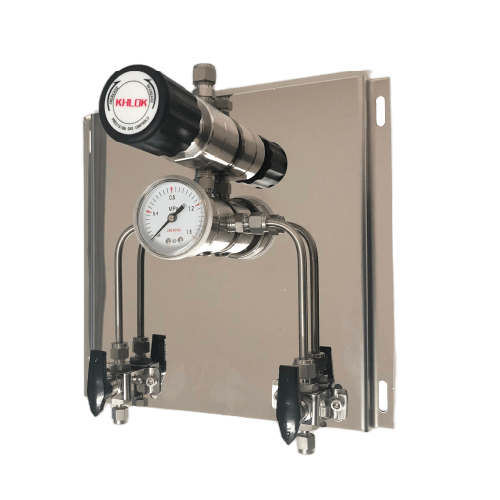
Pricing varies significantly between valve types, with butterfly valves typically being the most affordable option. Ball valves, though pricier, demonstrate longer lifespans in corrosive environments. Gate valves balance initial cost and maintenance requirements, offering moderate longevity. This comparison emphasizes how budget constraints and long-term investment goals influence selection criteria.
H2: Making an Informed Decision
Choosing the right gas valve depends on specific operational needs. Ball valves suit high-pressure systems requiring frequent adjustments, butterfly valves offer economic solutions for low-pressure flows, and gate valves prioritize stability in large-scale applications. Readers should prioritize testing options in real-world conditions to align with their project requirements. Contact a professional supplier to explore tailored solutions based on your industry’s demands.